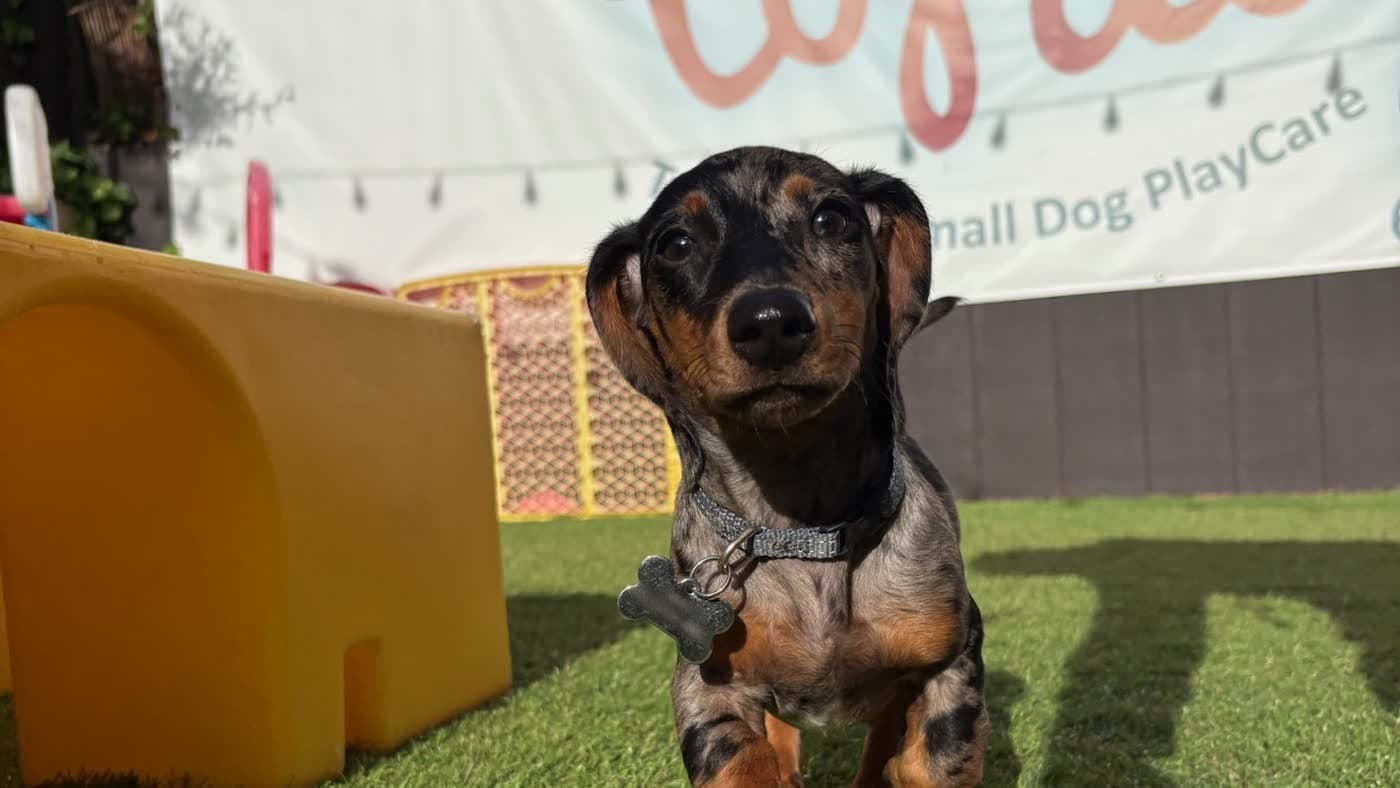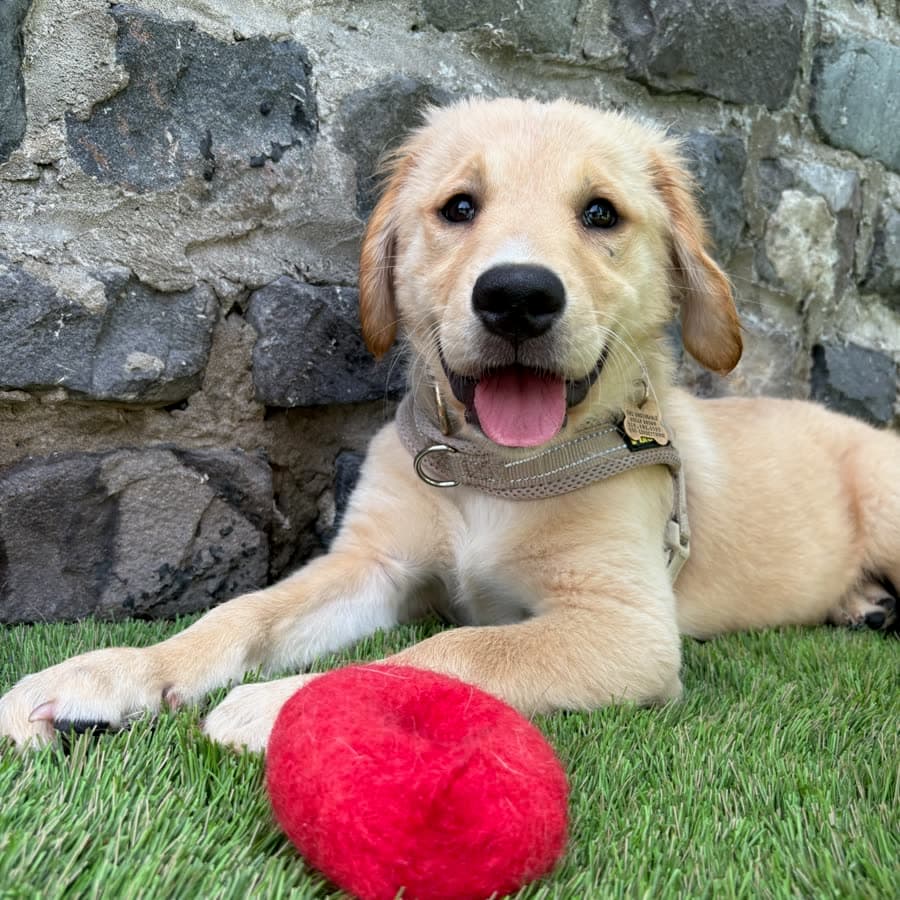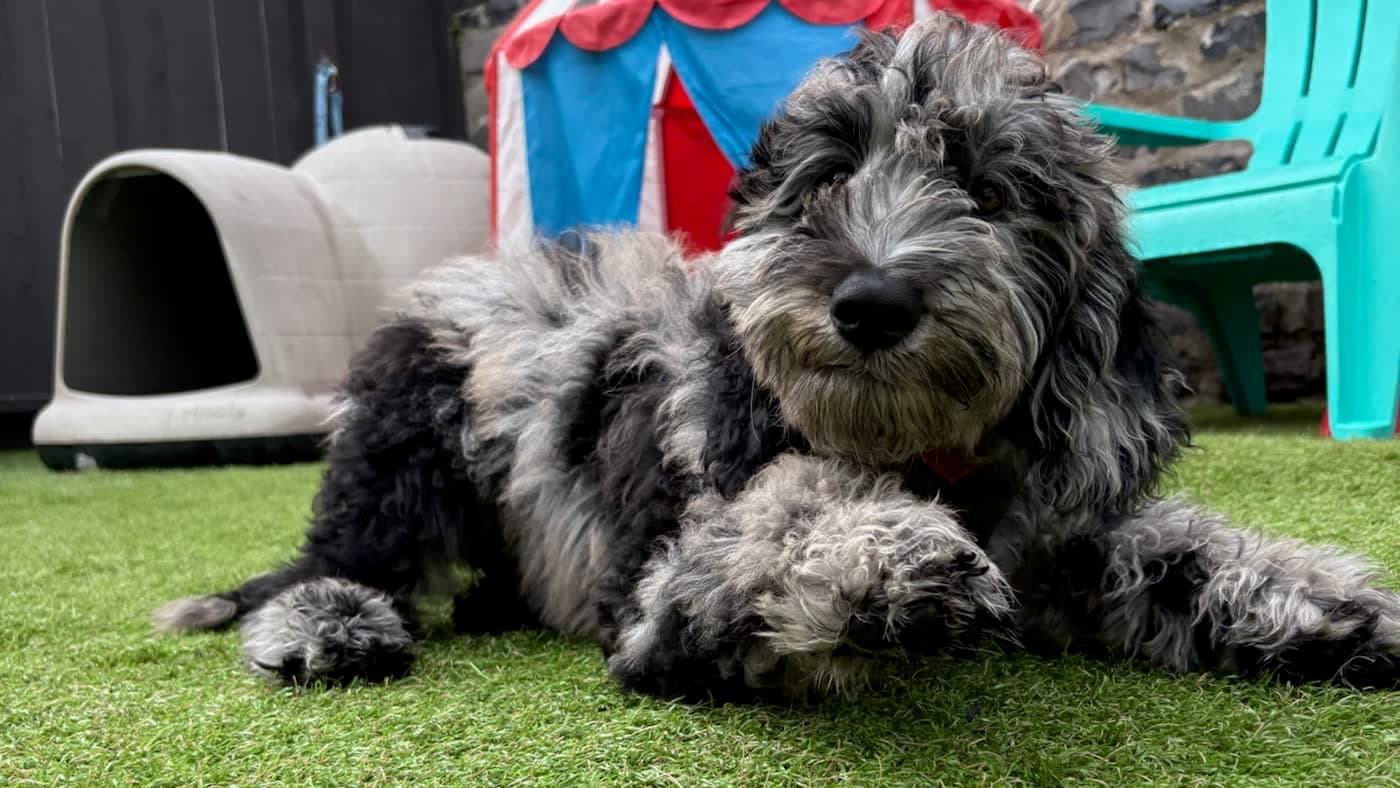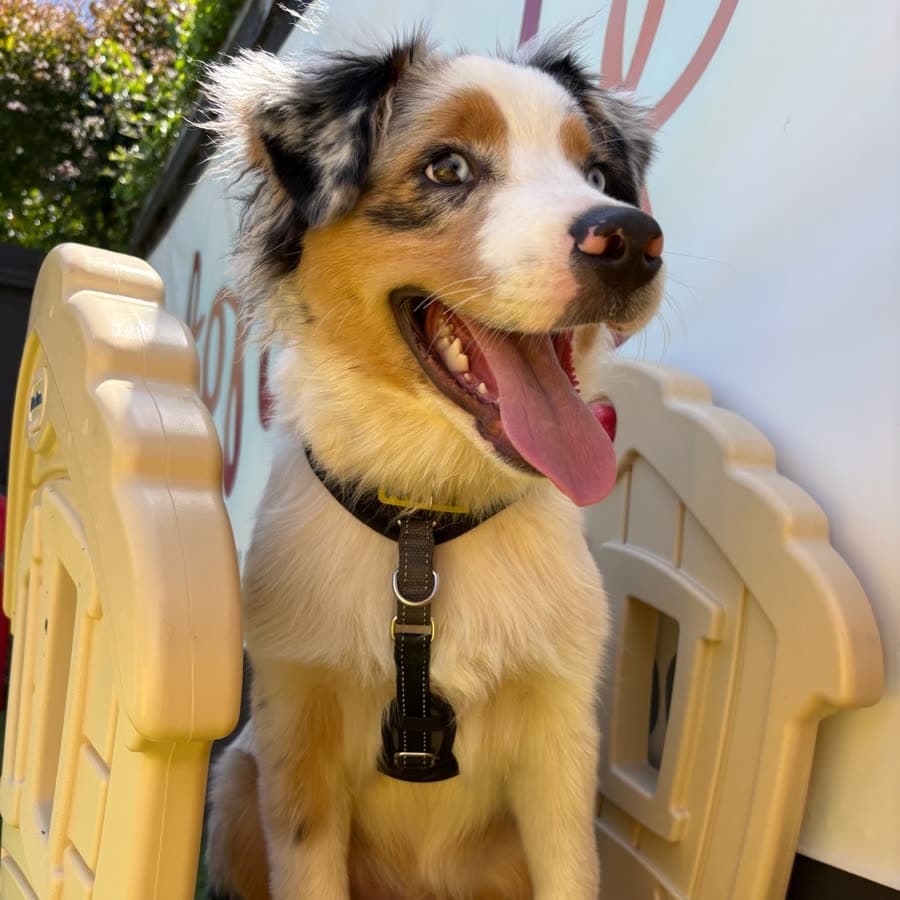
Why puppy biting is normal, natural, and necessary
Almost every puppy mouths and bites, and it is normal. Your puppy's mouthy behavior is natural: it's part of their canine repertoire of communication.
Puppies use their mouths in greeting each other, in play, and to explore the world. Yours might nip at your fingers, grab your ankles, or chew on anything they can reach. Puppy biting is not only normal: it's natural and necessary. Play-biting is how dogs develop bite inhibition, which matters for the rest of their life: the developing pup gets crucial feedback about the force of their bites while their jaws are still too weak to do real damage. The more chances your puppy has to play-bite with people and other dogs, the better their bite inhibition will be as an adult.
So the goal isn't to shut biting down overnight. Your puppy's biting should be eliminated gradually and progressively, through systematic steps, so they learn not only to stop mouthing people but to use their mouth softly.
Puppy mouthing and wriggling during handling is normal. But stiffening, freezing, a hard stare, growling over food, toys, or being handled, snapping, or a bite that breaks skin is beyond the scope of an at-home course: stop the exercise, give your puppy space, and never punish the growl. Contact your veterinarian and a qualified reward-based trainer or veterinary behaviorist (a DACVB or CAAB, or a certified behavior consultant).
The protocol: no more painful bites
The approach has two parts. First, give your puppy clear feedback the moment their biting hurts. Second, give them appropriate outlets for all that mouthiness. Kongs, chewies, and games of tug fill the need to use their mouth, and it's crucial to give positive feedback whenever they're chewing appropriate objects or using their mouth gently. Here's the feedback protocol:
- As soon as your puppy bites too hard, let out a sharp, startled screech: a sharp "Ouch!" in a loud, high tone. Keep your hand steady so they learn to pull away gently. If the yelp winds your puppy up instead of stopping them, skip it entirely and go straight to the time-out.
- If your puppy stops biting after your "Ouch," say "Good puppy" and reward with a belly rub, a treat, and continued play.
- If your puppy continues to bite, start a time-out of about 10 to 20 seconds: immediately stop playing and either leave the room (as long as it's puppy-proofed) or put the puppy in a time-out area. Bathrooms work great. The area should be boring, so your puppy won't enjoy the temporary isolation and learns that biting too hard means no more fun and games with you.
- Let them out when they are calm and quiet, even if that takes longer than the twenty seconds. Never open the door on a puppy who is flailing, barking or scrabbling: that is the moment you would be rewarding. Then resume interaction without grudges.
- Repeat the exercise as often as necessary for the duration of your play session.
It helps to set aside a few 10-minute intervals for this play and training throughout the day, since it's something that requires your full attention.
Once your puppy isn't landing any painful bites, tighten your criteria: run the same process for bites with pressure, then bites with no pressure, and eventually any mouthing on your skin at all.
The rest of this guide
- The pants and clothing rule
- From softening the bite to phasing it out
- Puppies and children
- If you're stuck
The full guide, and the step-by-step video exercises it pairs with, is included with Puppy Foundations, our at-home puppy course. A few minutes a day, from first steps to confident manners.
Free: the housetraining plan
The routine we give every puppy family, as a printable PDF with a one-page sheet for the fridge.