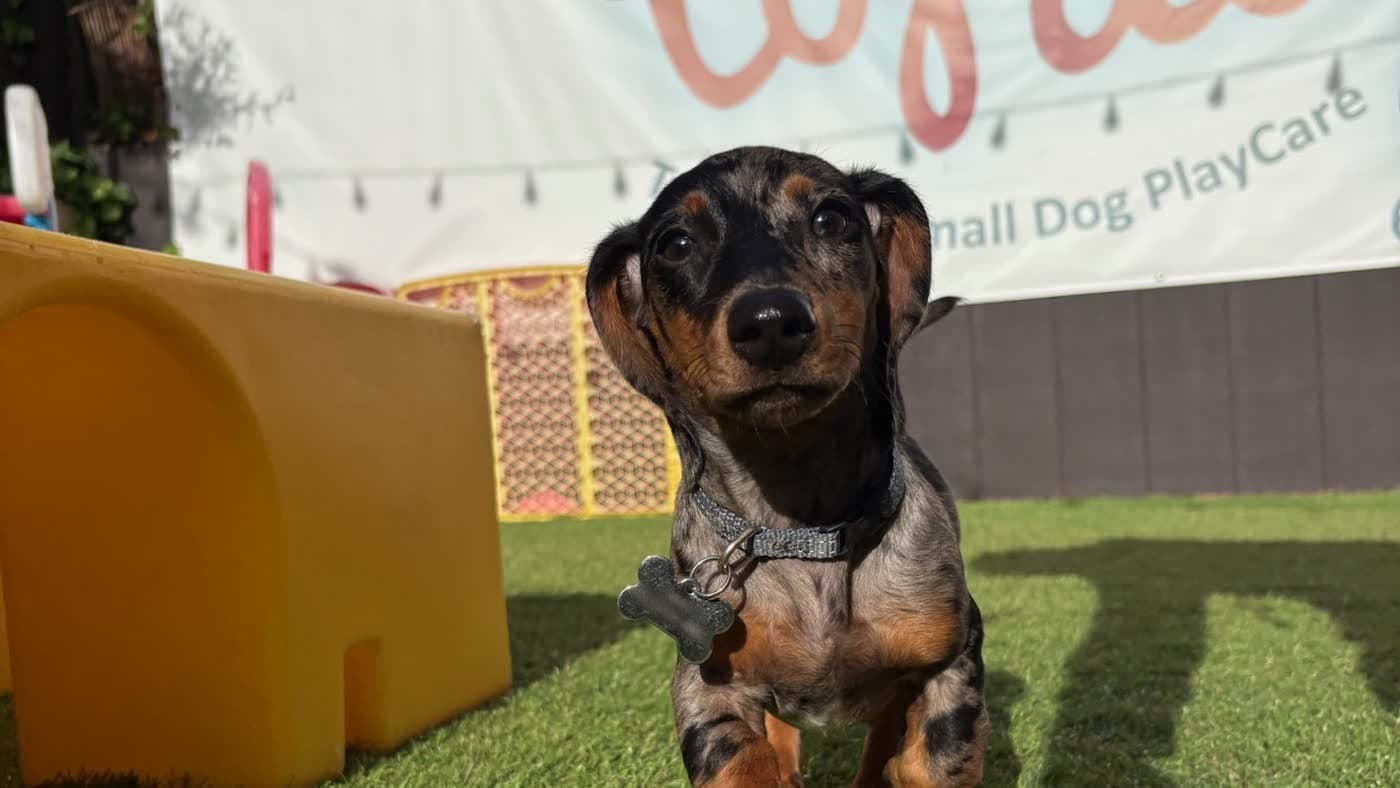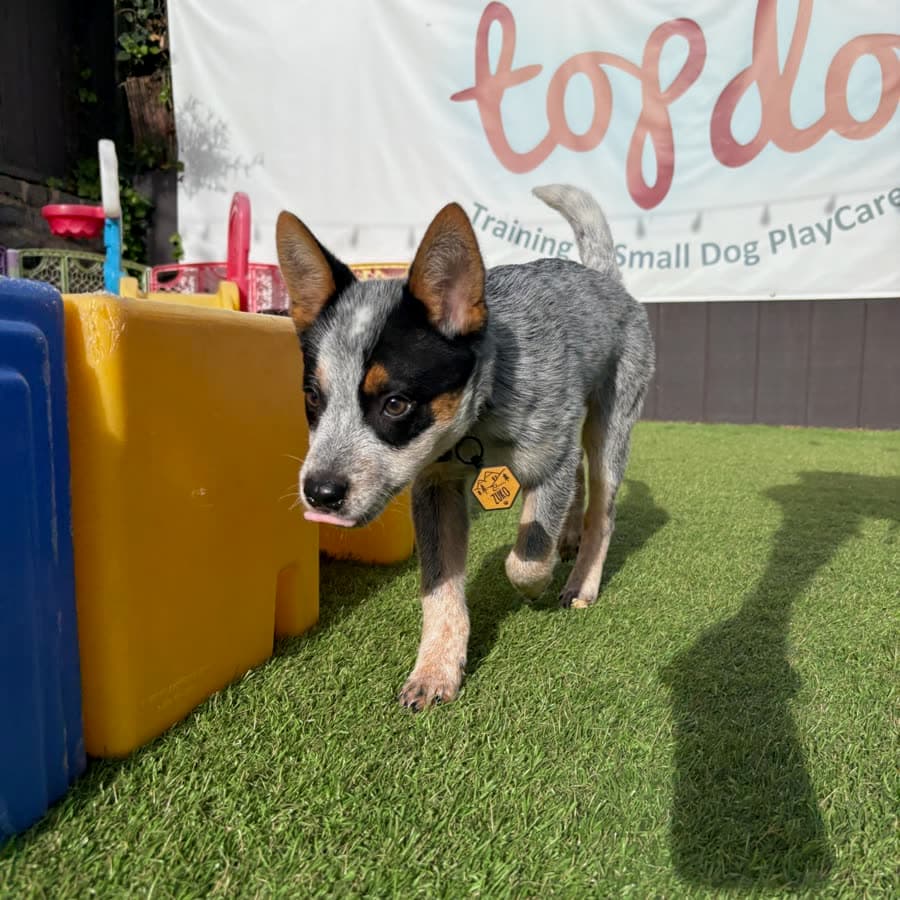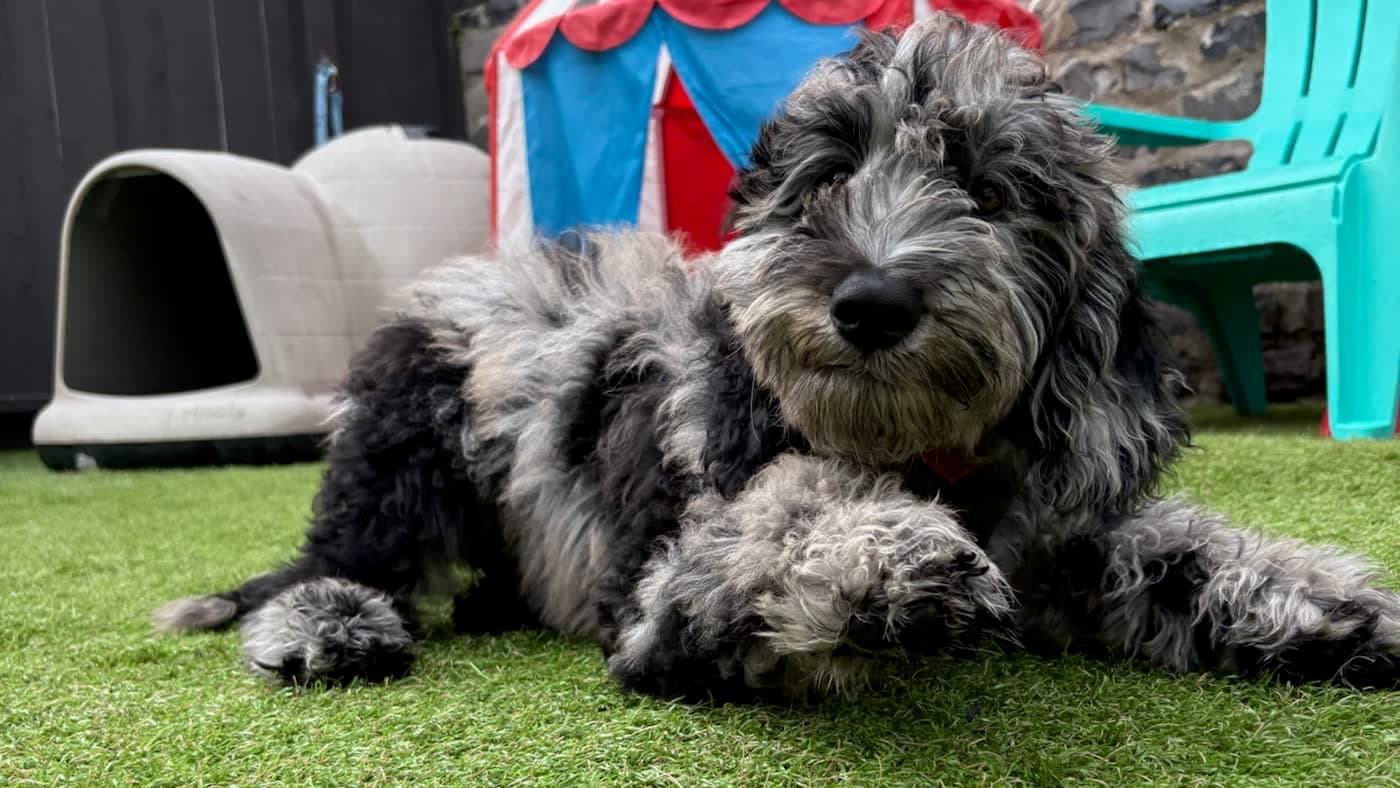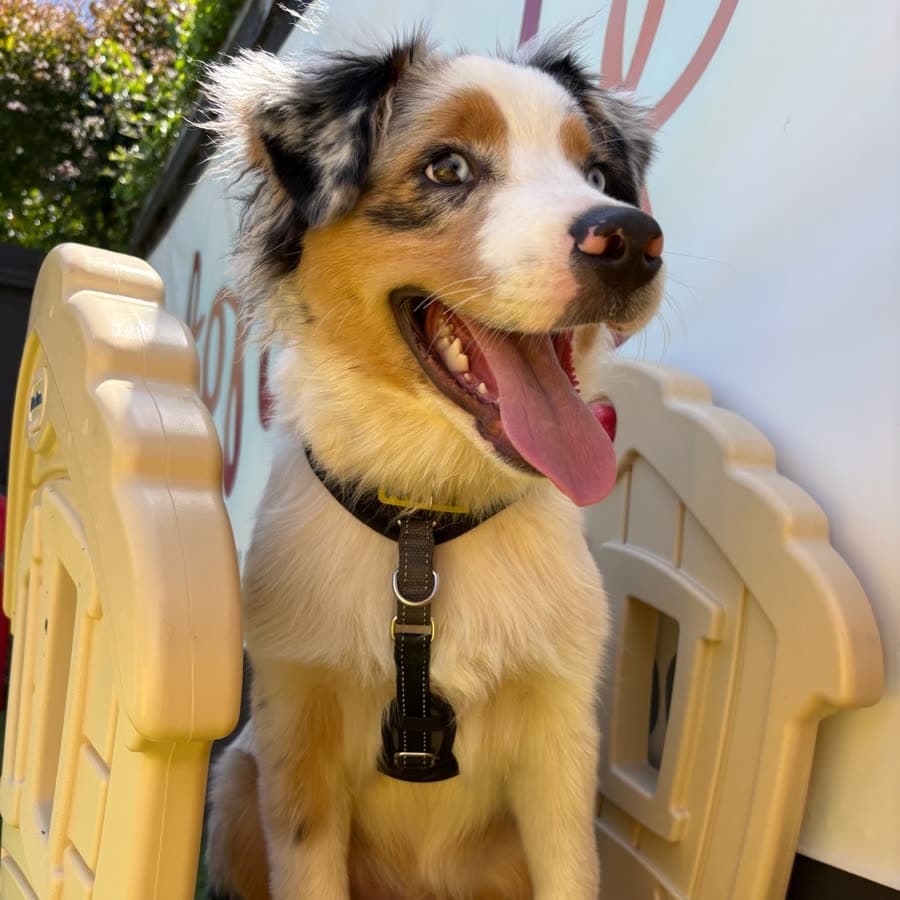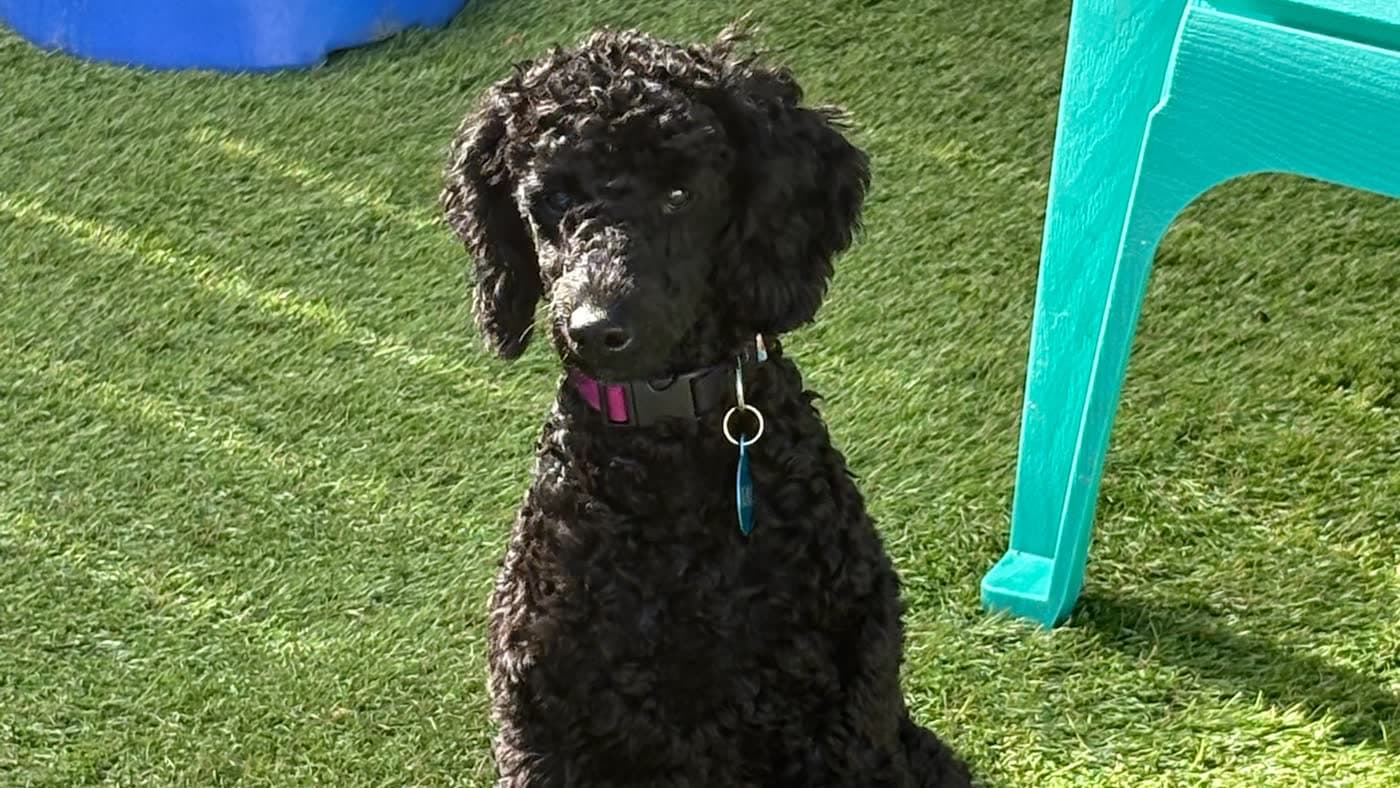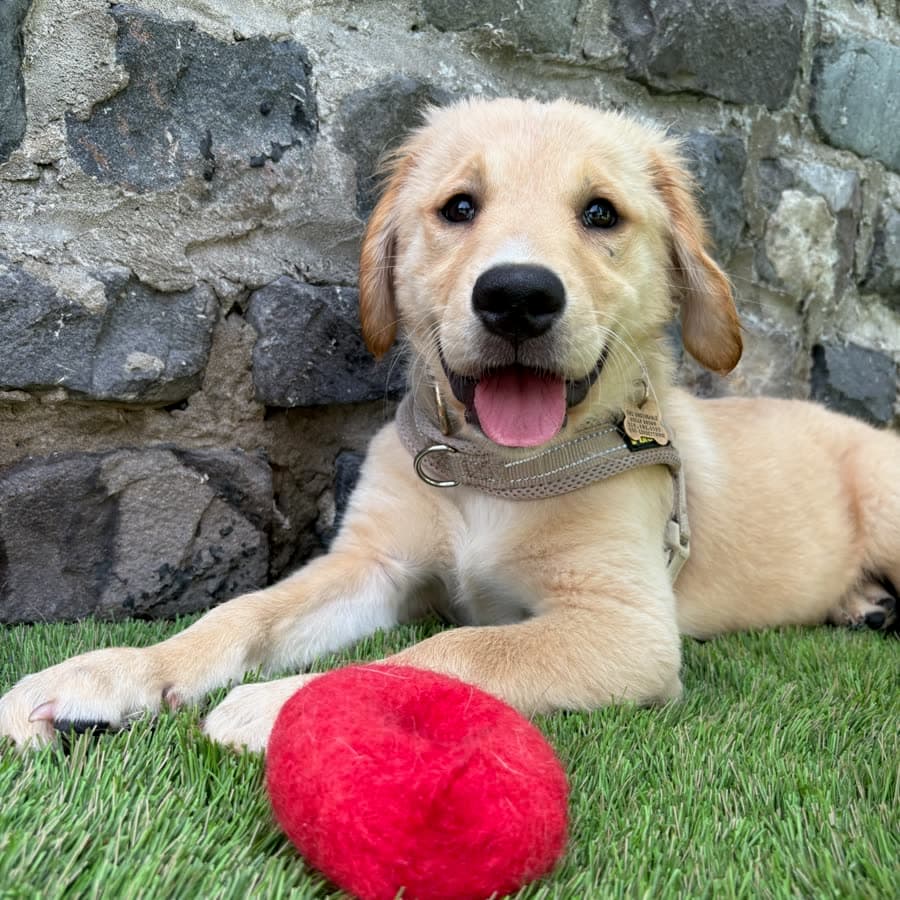
Puppies are natural chewers. They'll nibble on fingers, gnaw on ankles, and explore everything they can with their mouths. Being prepared and proactive will help you guide your puppy through this phase without developing destructive chewing habits that could lead to costly damage later on.
Puppy-proofing your home
Start by making your home puppy-proof. Puppies are constantly exploring, discovering what feels and tastes good, and will try to chew on anything they can reach. If they can get to it, they'll test it out.
Your job is to help your puppy learn what is acceptable to chew and what isn't. This involves five key strategies:
- Prevent access: keep doors closed or use gates to block off rooms you want to keep off-limits. When you can't supervise your puppy, use a crate to confine them safely.
- Supervision: watch your puppy closely whenever they're out and about in your home. Engage them with toys and play to keep them occupied and redirect their chewing impulses.
- Education: teach your puppy what's acceptable by using your interrupter word when they start chewing on something inappropriate. Redirect them to a chew toy to reinforce positive behavior. This helps them understand which items are off-limits.
- Remove temptations: make sure no books, magazines, or potted plants are within your puppy's reach, and secure the trash. This initial effort is crucial but temporary: as your puppy matures, you won't need such strict measures.
- Be proactive: your puppy is teething, and they want to chew! The more you can be proactive about initiating tug play with tug toys, fleece ropes, and plush toys, the faster your puppy will learn what is appropriate to chew on and what is not. Don't wait until your puppy is chewing on your shoe, table, or carpet. By making it fun for your puppy to chew appropriate toys, you teach them from very early on where to channel that energy.
Even with careful puppy-proofing, you can't eliminate every potential hazard, and you don't need to. Use a combination of prevention, supervision, education, removing temptations and proactive play to teach your puppy what's okay to chew.
Provide only two or three safe chew toys at a time. Too many options can confuse your puppy, making it harder for them to learn what's theirs and what's not.
Puppies chew to explore their world, much like human babies. It's a natural part of their learning process. Your role is to guide them so they learn what's acceptable during this critical phase.
Pick one interrupter word and keep it. It can be whatever you like, "nope", "uh-uh", "eh", as long as it is not a word you use in ordinary conversation, and as long as everyone who handles your puppy uses the same one. The word only works because it always means the same thing: whatever you just did ended the fun. "Ouch" is different and stays reserved for one job: telling your puppy a bite hurt.
The rest of this guide
- Chewing and teething
- Choosing the right chew toys
The full guide, and the step-by-step video exercises it pairs with, is included with Puppy Foundations, our at-home puppy course. A few minutes a day, from first steps to confident manners.
Free: the housetraining plan
The routine we give every puppy family, as a printable PDF with a one-page sheet for the fridge.